
Peptides, Explained
What They Are, Why They’re Popular, and How Clinics Approach Safety

Biological 'Software' for Your Body
If you follow health news or longevity podcasts, you’ve likely heard the word “peptides” mentioned alongside everything from muscle recovery to cognitive focus. While they might seem like a new discovery, peptides have been used in medicine for decades (insulin, for example, is a peptide).
However, the way they are being used in proactive wellness is evolving rapidly. Let’s demystify what these molecules actually are and, more importantly, how they can be used safely and effectively.
Peptides vs. Proteins vs. Hormones
To understand a peptide, think of a Lego set.
- Amino Acids: These are the individual Lego bricks.
- Peptides: These are small “kits”—short chains of 2 to 50 amino acids linked together. They act as specific signaling molecules, telling your body to perform a particular task.
- Proteins: These are the giant, complex structures (like a Lego castle) made of 50 or more amino acids.
- Hormones: While some peptides act like hormones, many are simply “messengers” that tell your body to release its own natural stores of a hormone or to trigger a specific cellular repair process.
In short: Peptides are biological “software” that send specific instructions to your “hardware” (your cells).
Why Peptides are Used in Wellness
The reason peptides have gained so much attention is their specificity. Unlike some broad-spectrum treatments that affect the whole body, a specific peptide is designed to “unlock” only one type of receptor.
Clinicians typically explore peptides to support the body’s natural mechanisms for:
- Tissue Repair: Supporting the healing of tendons, ligaments, and skin.
- Metabolic Function: Assisting the body in how it processes energy and manages body composition.
- Immune Modulation: Helping the immune system stay balanced and responsive.
- Cognitive Support: Investigating how certain “neuropeptides” might protect or enhance brain health.
The Safety-First Approach: Quality Matters
Because peptides are so powerful, the “how” and “where” of your sourcing is everything. You may see peptides sold online as “research chemicals,” but using these is a significant risk.
A clinical, safety-first approach includes:
- Rigorous Screening: A clinician must review your medical history, current medications, and blood work. Not everyone is a candidate for every peptide.
- Strict Contraindications: For example, certain peptides that encourage cell growth should generally be avoided by individuals with a history of certain cancers.
- Pharmacy-Grade Sourcing: Safe peptides come from regulated compounding pharmacies that test for purity, sterility, and correct concentration. “Black-market” or “DIY” peptides often contain fillers, heavy metals, or incorrect dosages.
- Clinical Oversight: Proper use involves “cycling”—taking the peptide for a set period and then stopping to allow the body to maintain its own natural balance.
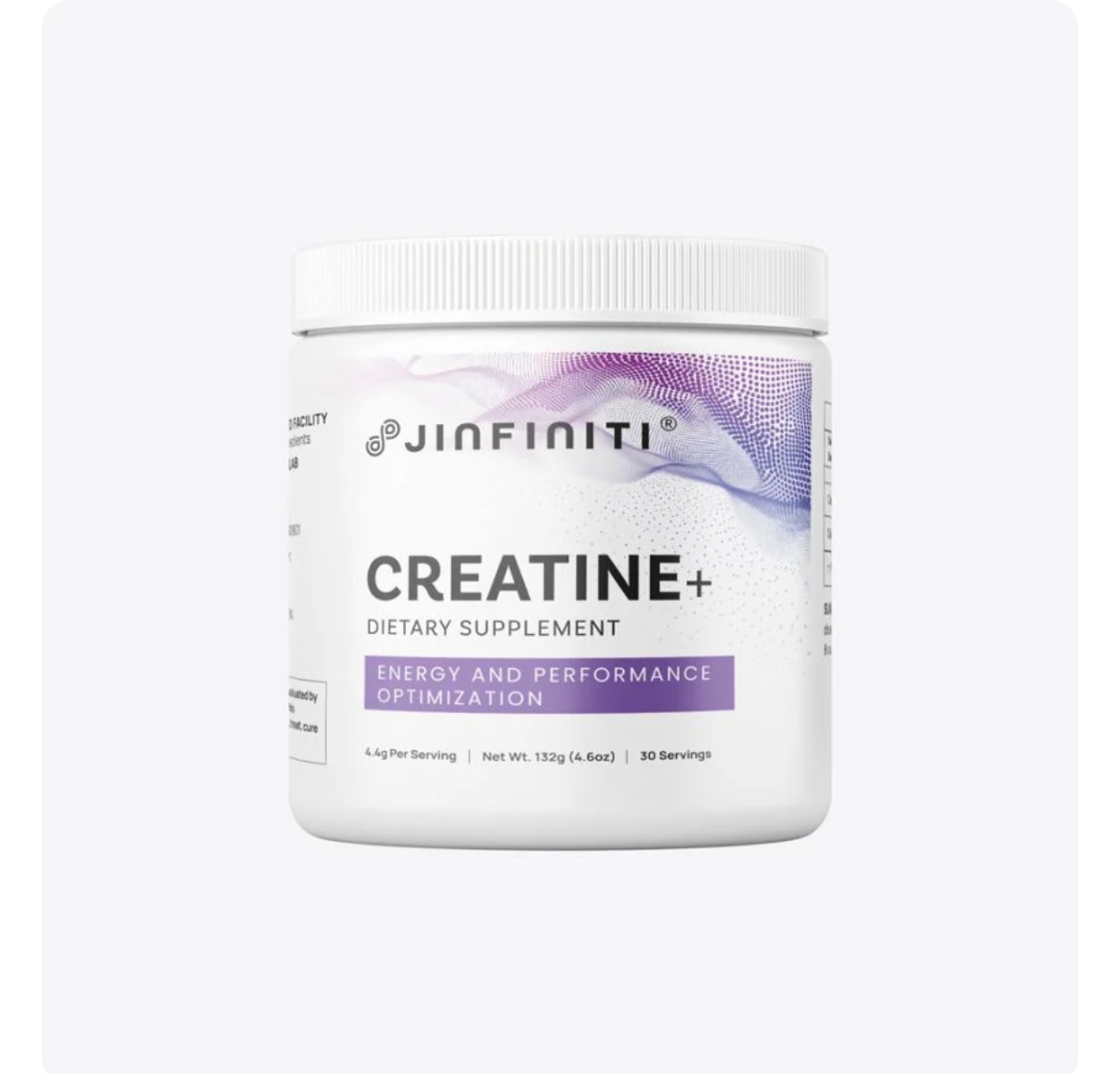
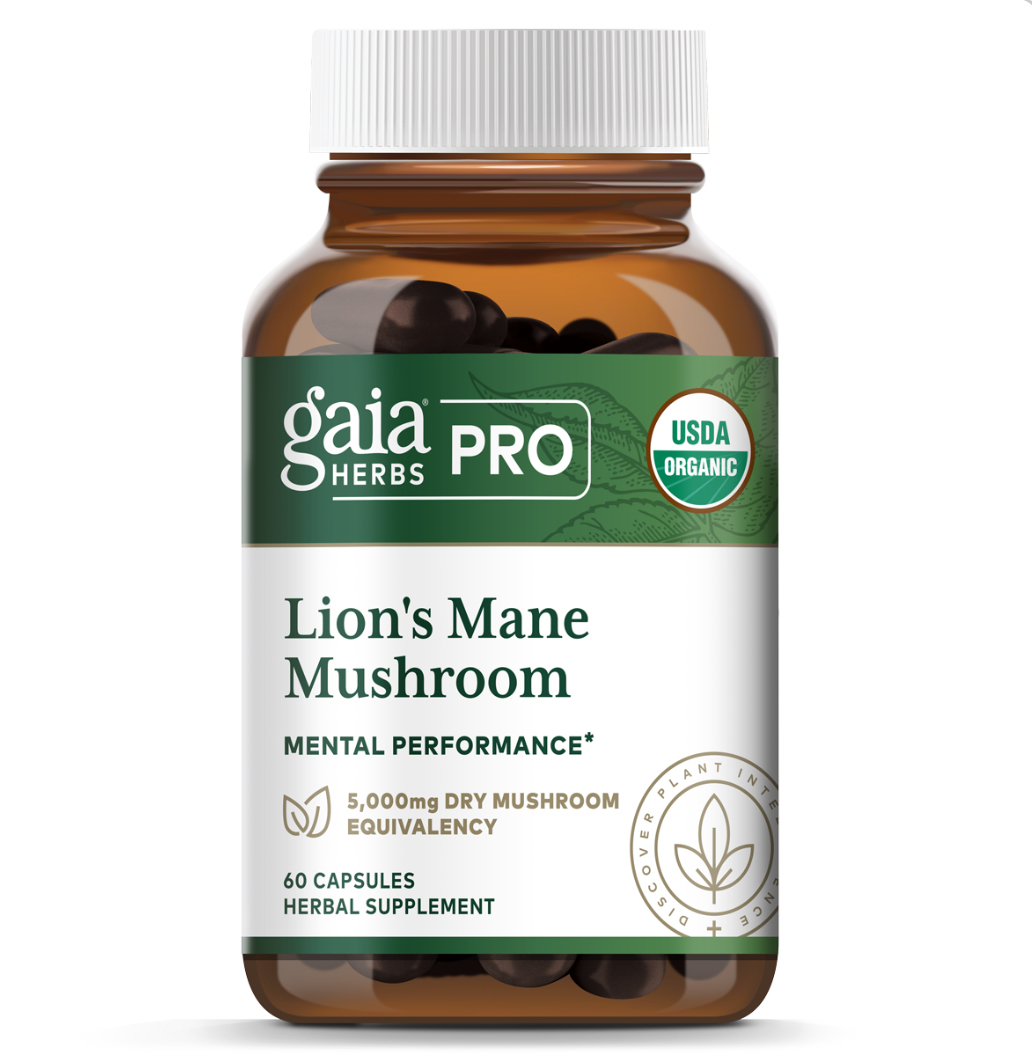
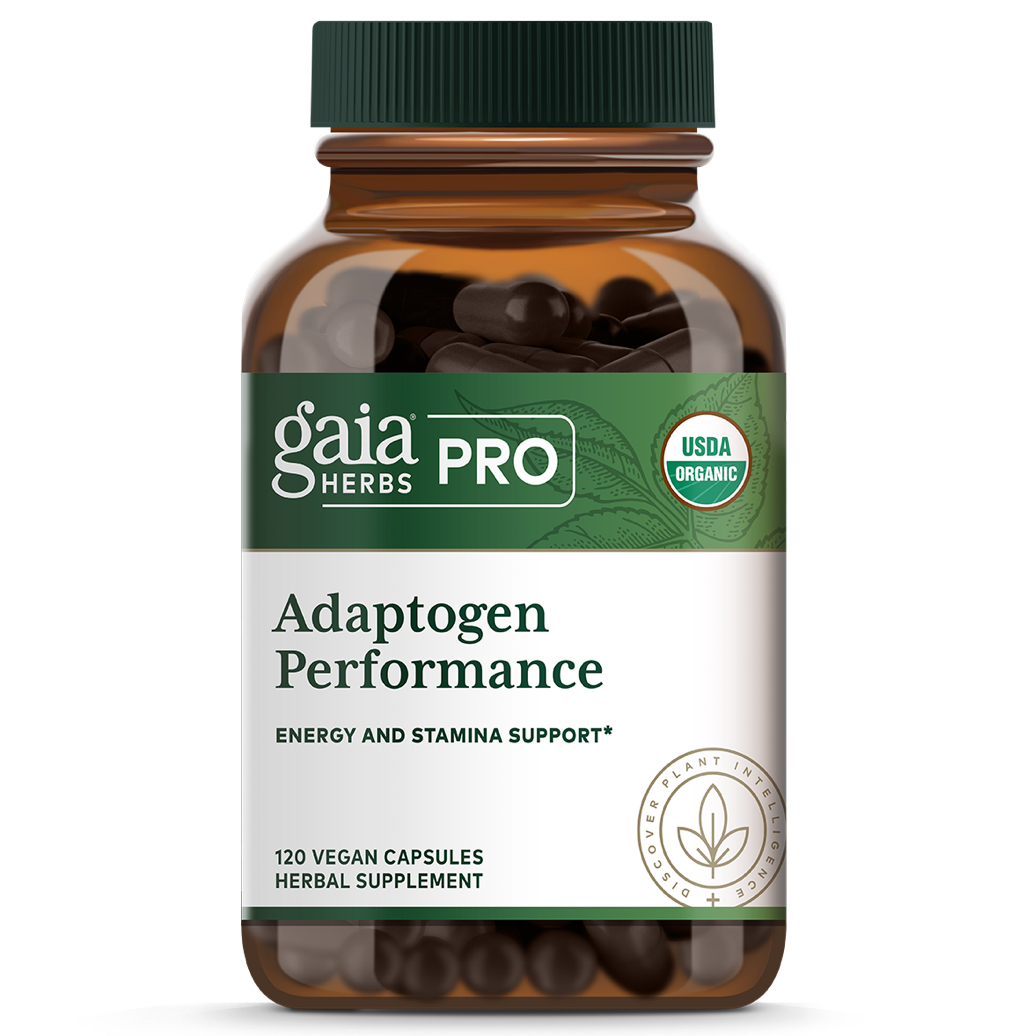
Tools to Support Your Foundation
What a Typical Plan Looks Like
Peptides are not a “quick fix” or a magic pill. They are tools used to support a foundation of good nutrition, sleep, and movement.
- Timeline: While some effects (like improved sleep) might be noticed quickly, most structural or metabolic changes take 8 to 12 weeks of consistent use.
- Administration: Many peptides are administered via tiny, painless subcutaneous injections (similar to an insulin needle), though some come in oral or nasal forms.
- Follow-Ups: Regular check-ins with your provider are essential to monitor progress and adjust dosages or “cycles” based on how your body is responding.
A Note on Individualized Care
Peptides are a highly individualized area of wellness. There is no “one-size-fits-all” protocol, and results can vary significantly based on your age, lifestyle, and underlying health status.