
Red Light Therapy
How Light Can Support Cellular Energy and Recovery
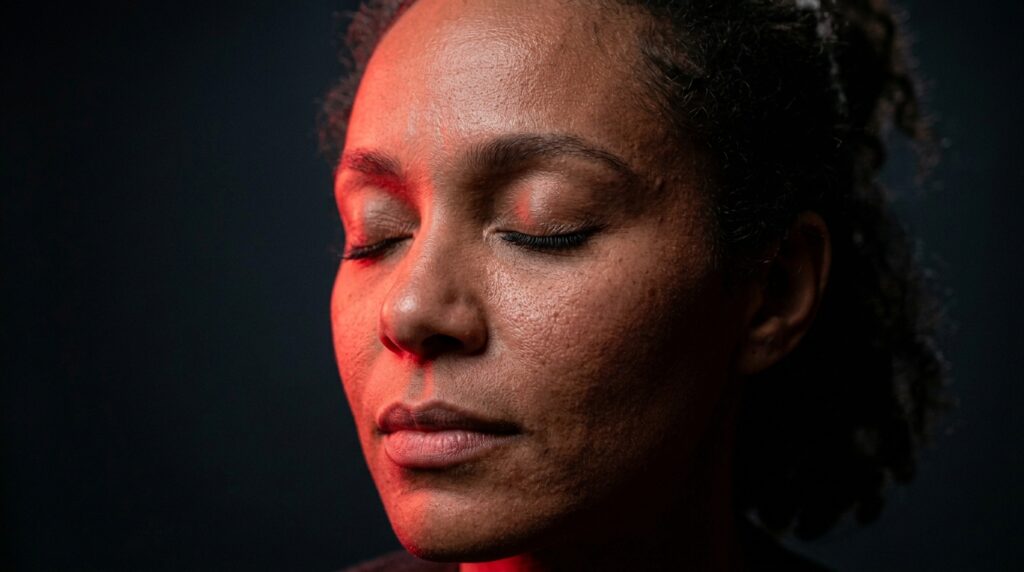
We often think of light as something that simply helps us see, or perhaps something to avoid to prevent a sunburn. But what if certain colors of light could actually “talk” to your cells?
That is the core idea behind Red Light Therapy, technically known as Photobiomodulation (PBM). It sounds like something out of a sci-fi novel, but it is one of the most researched tools in modern wellness for supporting the body’s natural ability to repair and energize itself.
What Photobiomodulation Is (And What It Isn’t)
Despite the “laser” look of the devices, Red Light Therapy isn’t about heat or cutting.
- What it is: A non-invasive process where specific wavelengths of red and near-infrared light penetrate the skin to trigger a biological response.
- What it isn’t: It isn’t UV light (the kind that tans you or causes skin damage), and it isn’t just a “pretty red bulb.” To be effective, the light must be delivered at specific wavelengths—typically between 600nm and 900nm—to reach the deep layers of your tissue.
The Mitochondria Story: Why Wavelength Matters
To understand how it works, we have to look at your mitochondria—the “power plants” of your cells.
Inside your mitochondria, there is a specific enzyme called cytochrome c oxidase. This enzyme is responsible for helping the cell create ATP (Adenosine Triphosphate), which is the “energy currency” your body uses for everything from thinking to healing a cut.
When your cells are stressed or tired, they produce nitric oxide, which “clogs” the energy production process. When red and near-infrared light hits your cells, it helps knock that nitric oxide out of the way, allowing the mitochondria to:
- Produce more ATP: Giving the cell more energy to do its job.
- Improve Circulation: Helping oxygen and nutrients reach the area.
- Optimize Inflammation Signaling: Sending the right “repair” signals to the body.
Why People Use It
Because every cell in your body has mitochondria, the potential applications are broad. Here is what people are typically looking for:
- Muscle Recovery: Athletes often use it after training to support the body’s natural repair process and manage post-workout soreness.
- Skin Health: It is widely explored for its ability to support collagen production and improve skin tone and clarity.
- Sleep & Mood: Exposure to red light in the evening (instead of the “blue light” from phones) can help signal the body to prepare for rest.
Experience the Power of Light
What a Session Feels Like
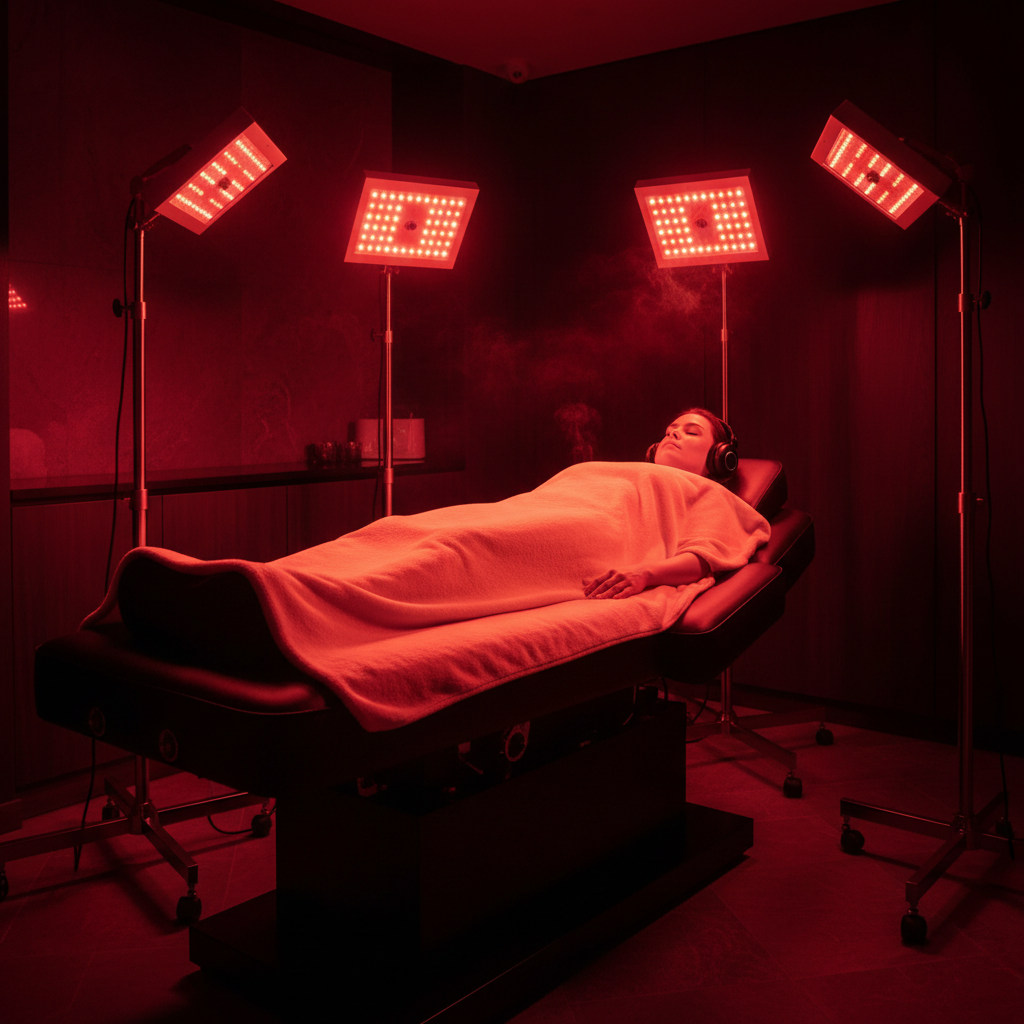
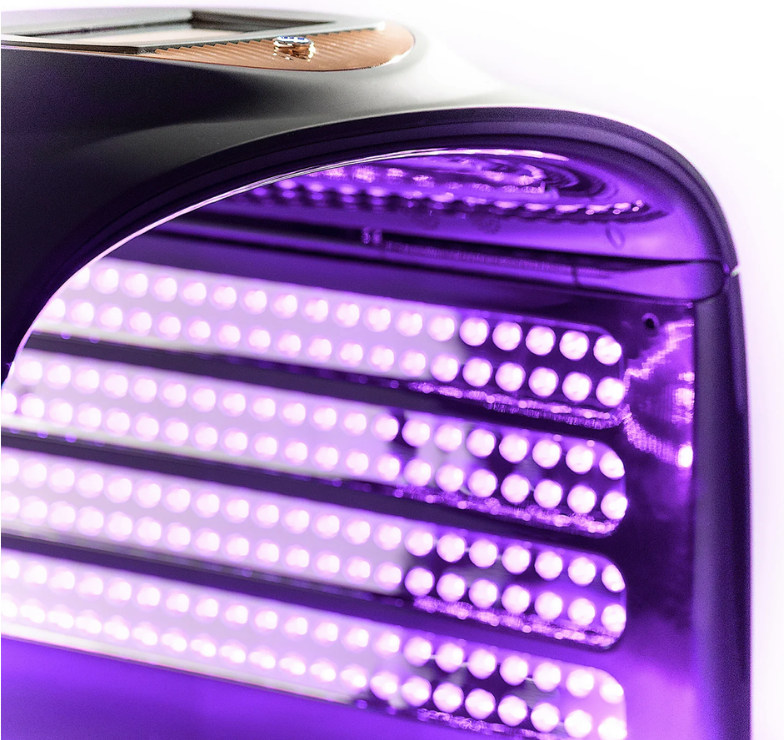
If you’ve never tried it, a session is remarkably simple and relaxing. You typically sit or stand in front of a panel of high-powered LEDs for 10 to 20 minutes.
- Sensation: You won’t feel “hot,” but you may feel a gentle, soothing warmth as your circulation increases.
- Frequency: Most people find the best results with consistency—typically 3 to 5 sessions per week initially.
Safety Notes & Best Practices
Red Light Therapy is generally considered very safe. Always use the provided goggles. If you are pregnant, have a history of skin cancer, or use photosensitizing medications, consult your provider first.