
Cortisol 101
The Stress Hormone That Impacts Sleep, Belly Fat, Mood, and Cravings

If you’ve spent any time in the wellness world lately, you’ve likely heard cortisol discussed like a villain in a superhero movie. We’re told it’s the reason we’re tired, why we’re reaching for that 3:00 PM cookie, and why our favorite jeans feel a little snugger around the middle.
But before we try to “crush” or “eliminate” cortisol, we need a reality check: Life without cortisol would be impossible. It’s not a toxin; it’s a messenger. Let’s look under the hood at how this hormone actually works and how to get it back on your side.
What Cortisol Does (And Why It’s Not "Bad")
Think of cortisol as your body’s built-in alarm system. Produced by your adrenal glands, it’s the primary driver of the “fight or flight” response.
When it’s working correctly, cortisol is a hero. It helps:
- Regulate blood pressure.
- Manage how your body uses carbohydrates, fats, and proteins.
- Reduce inflammation.
- Boost energy so you can handle a crisis.
The problem isn’t cortisol itself; it’s the volume knob. In the modern world, our “alarm” is getting stuck in the ON position.
The Cortisol Curve: Your Internal Rhythm
In a perfect world, your cortisol follows a beautiful, predictable wave called the Diurnal Rhythm.
- The Morning Spike: About 30 minutes after you wake up, cortisol should peak. This is your “natural caffeine,” giving you the drive to get out of bed and face the day.
- The Daytime Drift: It gradually tapers off throughout the afternoon.
- The Evening Drop: By bedtime, cortisol should be at its lowest point, allowing its cousin—melatonin—to take over and usher you into deep sleep.
The “Tired but Wired” Feeling: When this curve flips (low morning cortisol, high evening cortisol), you’ll struggle to wake up but feel a surge of anxious energy right when you should be sleeping.
Common Modern Disruptors
Our HPA axis (the communication line between your brain and adrenals) wasn’t designed for the 21st century. Here’s what usually throws the rhythm off:
- Sleep Debt: Even one night of poor sleep can cause cortisol to spike the following evening.
- Caffeine Timing: Drinking coffee the second you wake up can interfere with your natural morning peak, leading to a harder crash later.
- Overtraining: Crushing high-intensity interval training (HIIT) every single day without recovery keeps cortisol chronically elevated.
- Chronic “Micro-Stress”: It’s rarely a lion attack; it’s the unread emails, traffic, and doom-scrolling that keep the drip-feed of cortisol constant.
Support Your Resilience
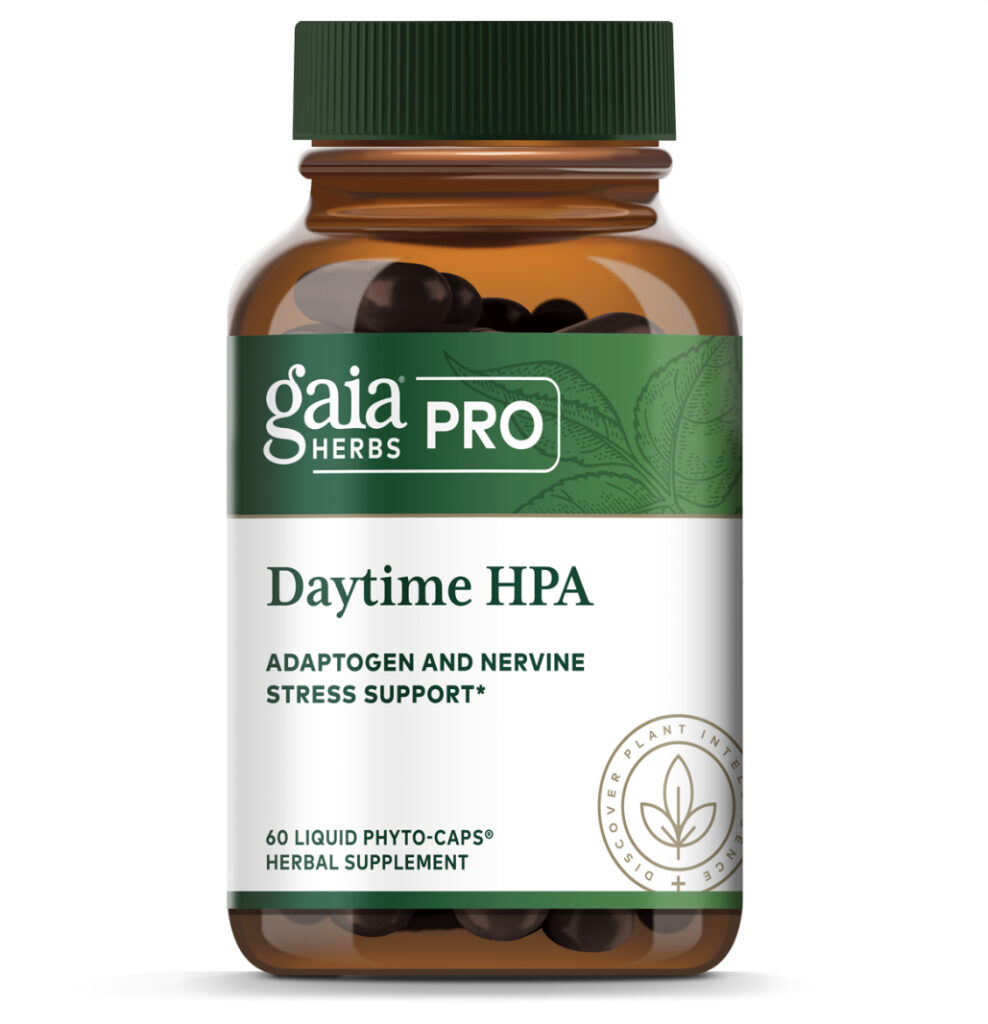
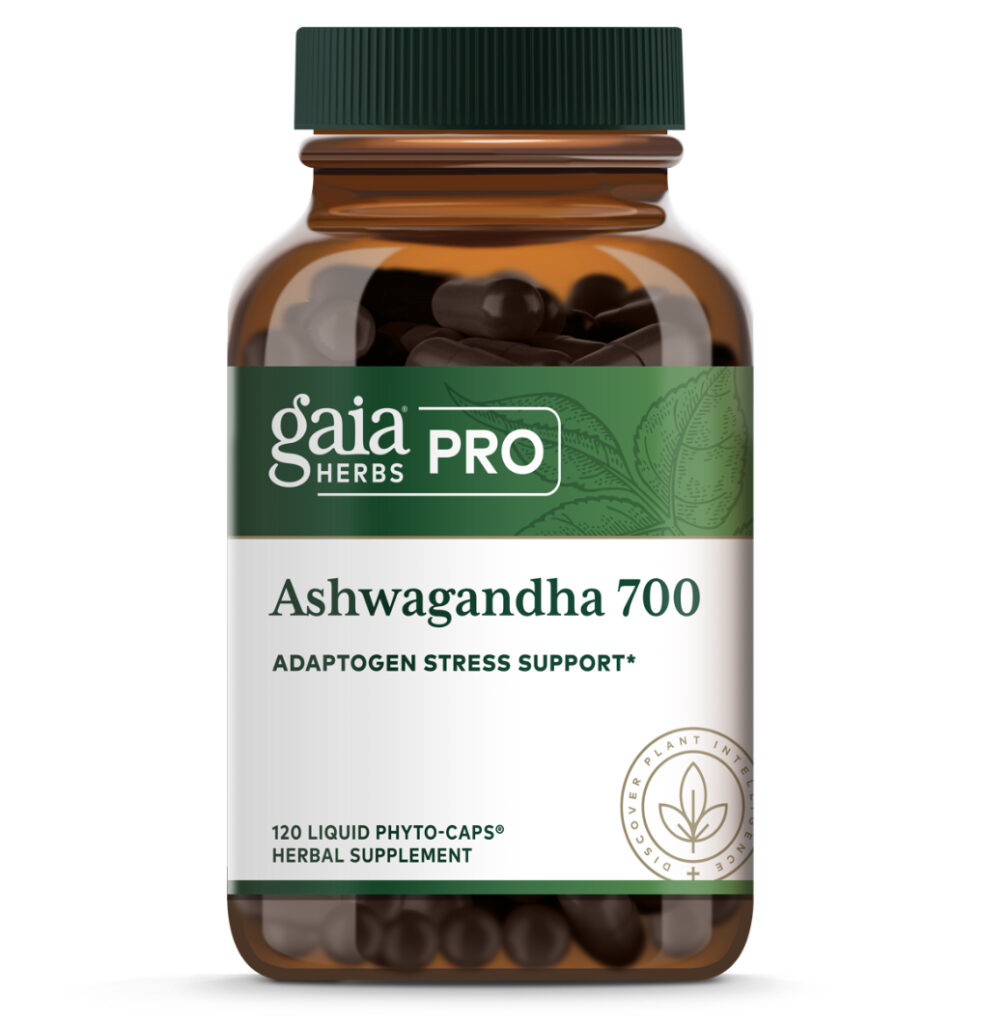
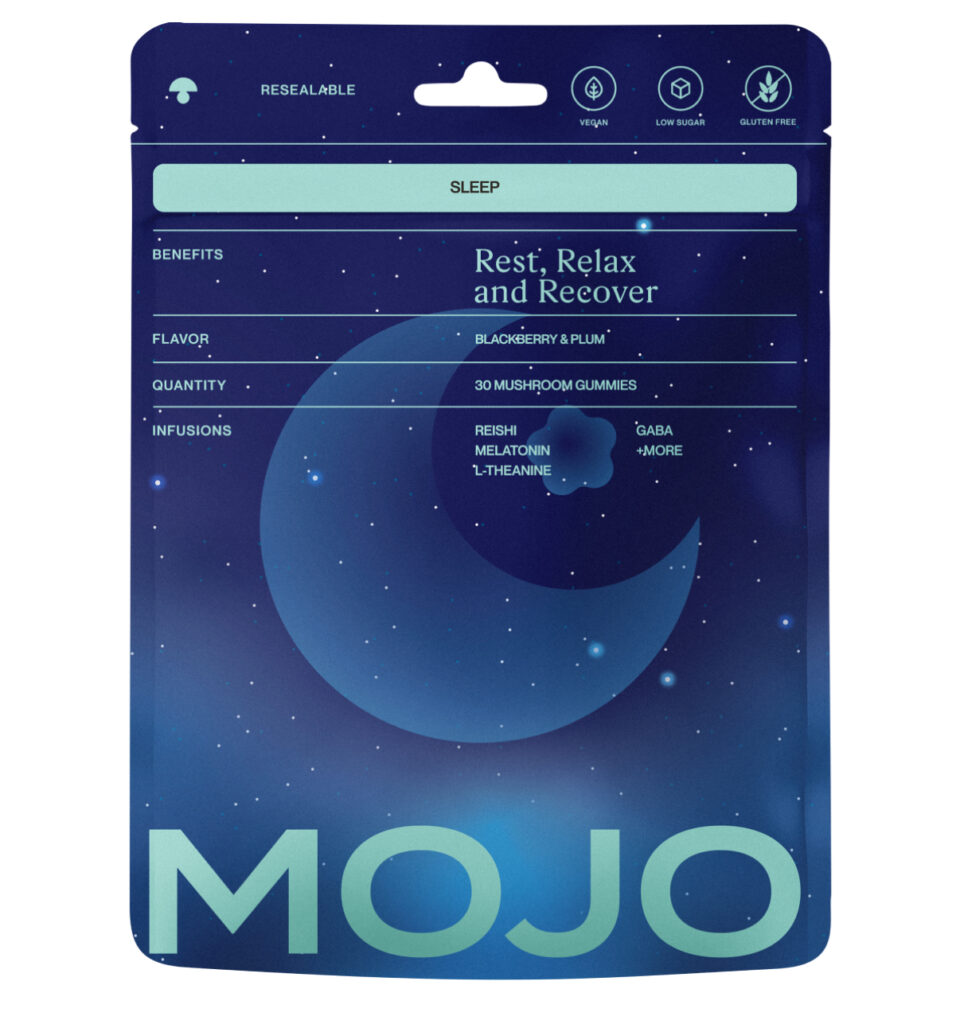
Simple, Non-Medical Resets
You don’t need a pharmacy to start balancing your levels. Small, physiological “nudges” can signal safety to your brain and settle your HPA axis.
- View Morning Sunlight: Getting 5–10 minutes of natural light in your eyes shortly after waking helps “set” your cortisol timer for the day.
- Eat Protein at Breakfast: Starting your day with 25–30g of protein stabilizes blood sugar. When blood sugar crashes, cortisol rises to “save” you—avoid the roller coaster by fueling early.
- The 4-7-8 Breath: Deep, diaphragmatic breathing is the fastest way to manually override the “fight or flight” response.
- Keep a Consistent Sleep Window: Going to bed and waking up within the same 30-minute window every day trains your brain when to release (and shut off) the stress response.
When to Get Support
While lifestyle shifts are powerful, sometimes the HPA axis needs a more targeted approach. If you are experiencing persistent exhaustion, significant mood shifts, or “stubborn” health goals that won’t budge despite your best efforts, it might be time for a deeper look.